
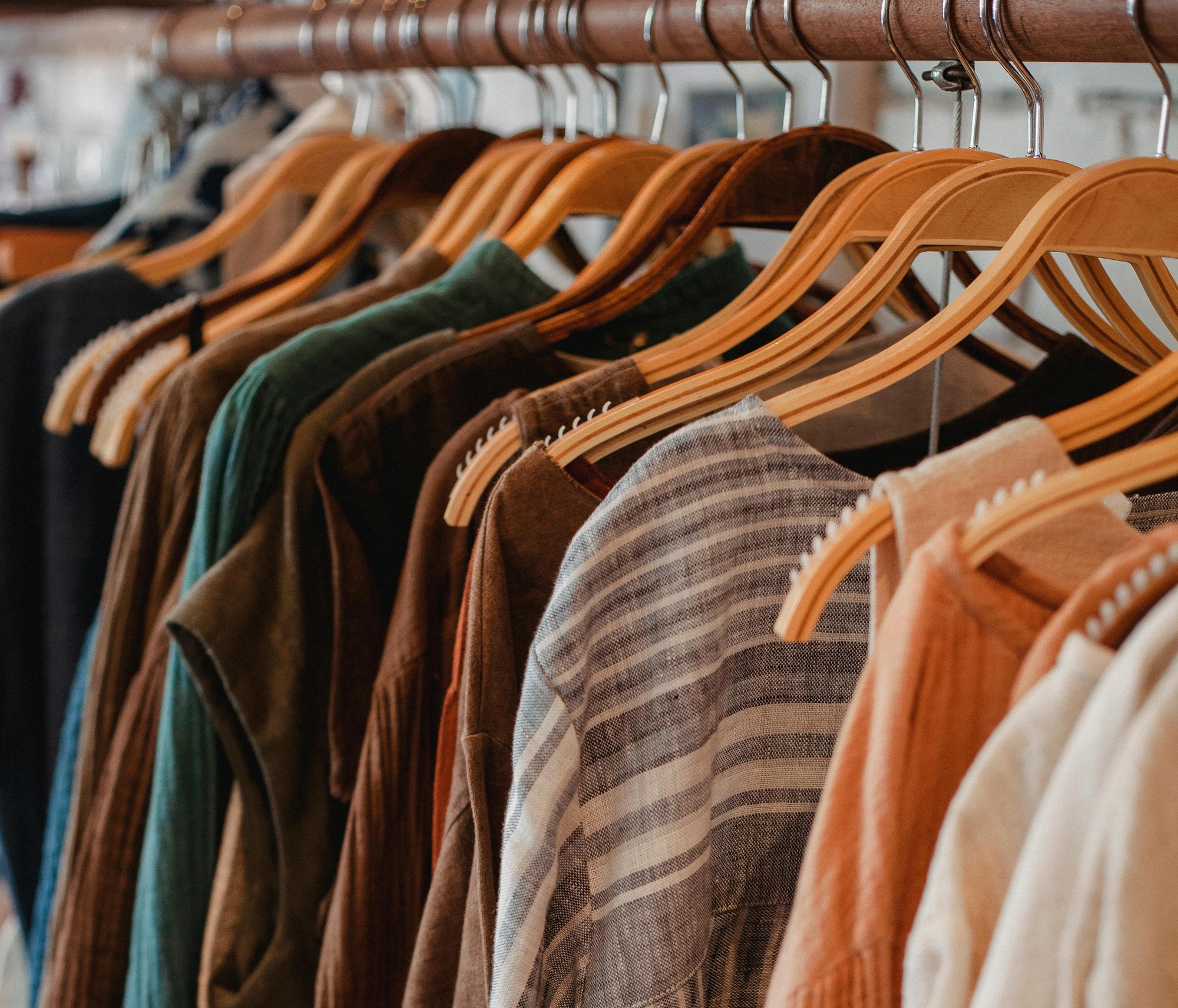
In recent years, fast fashion has taken the world by storm. With new styles hitting the shelves every week and prices that make shopping feel effortless, it’s tempting to keep up with the latest trends. But beneath the shiny surface of affordable clothing lies a less glamorous truth: fast fashion’s significant impact on our planet. If you’re wondering how to shop sustainably and make more eco-friendly choices, you’re not alone – and the good news is, small changes can make a big difference.
Fast Fashion and Its Environmental Toll
Fast fashion refers to the rapid production of cheap, trendy clothing designed to meet the latest styles. While it’s convenient and budget-friendly, it comes with serious environmental consequences. The industry is one of the largest polluters globally, contributing to water pollution, carbon emissions, and waste.
Did you know that the fashion industry is responsible for around 10% of global carbon emissions? That’s more than all international flights and maritime shipping combined! Additionally, millions of tonnes of textiles end up in landfill each year, many made from synthetic fibres like polyester that take hundreds of years to decompose. Water usage is another concern – producing a single cotton t-shirt can require up to 2,700 litres of water, enough for one person’s drinking needs for two and a half years.
Why Fast Fashion is Unsustainable
Fast fashion thrives on mass production, quick turnaround, and disposable clothing habits. This model encourages consumers to buy more and discard more, leading to increased waste and pollution. Moreover, the cheap price often hides the environmental costs, such as the exploitation of workers in less regulated factories.
How to Shop Sustainably: Practical Tips
If you’re keen to reduce your environmental footprint, knowing how to shop sustainably is key. Here are some friendly, practical tips to get you started:
- Choose Quality Over Quantity
Invest in well-made pieces that will last longer. It might cost a bit more upfront, but durable clothing reduces the need for frequent replacements. - Support Ethical and Sustainable Brands
Look for brands committed to eco-friendly practices, fair wages, and transparent supply chains. Certifications like GOTS (Global Organic Textile Standard) or Fair Trade can guide you. - Buy Second-Hand or Vintage
Shopping at thrift stores, charity shops, or online marketplaces gives pre-loved clothes a new lease of life, reducing waste and supporting sustainable fashion. - Care for Your Clothes
Proper washing, repairing, and storing your clothes can extend their lifespan. This means fewer items end up in landfill. - Embrace Timeless Styles
Instead of chasing every trend, opt for classic pieces that won’t go out of fashion, helping you build a versatile wardrobe. - Limit Impulse Buys
Before purchasing, ask yourself if you really need the item. Mindful shopping helps reduce unnecessary waste.
In Conclusion
While fast fashion may seem irresistible, understanding its impact on the environment is the first step towards change. By making conscious choices and learning how to shop sustainably, you can enjoy fashion without compromising the health of our planet. Remember, even small actions, like buying second-hand or choosing quality over quantity, can make a big difference.