
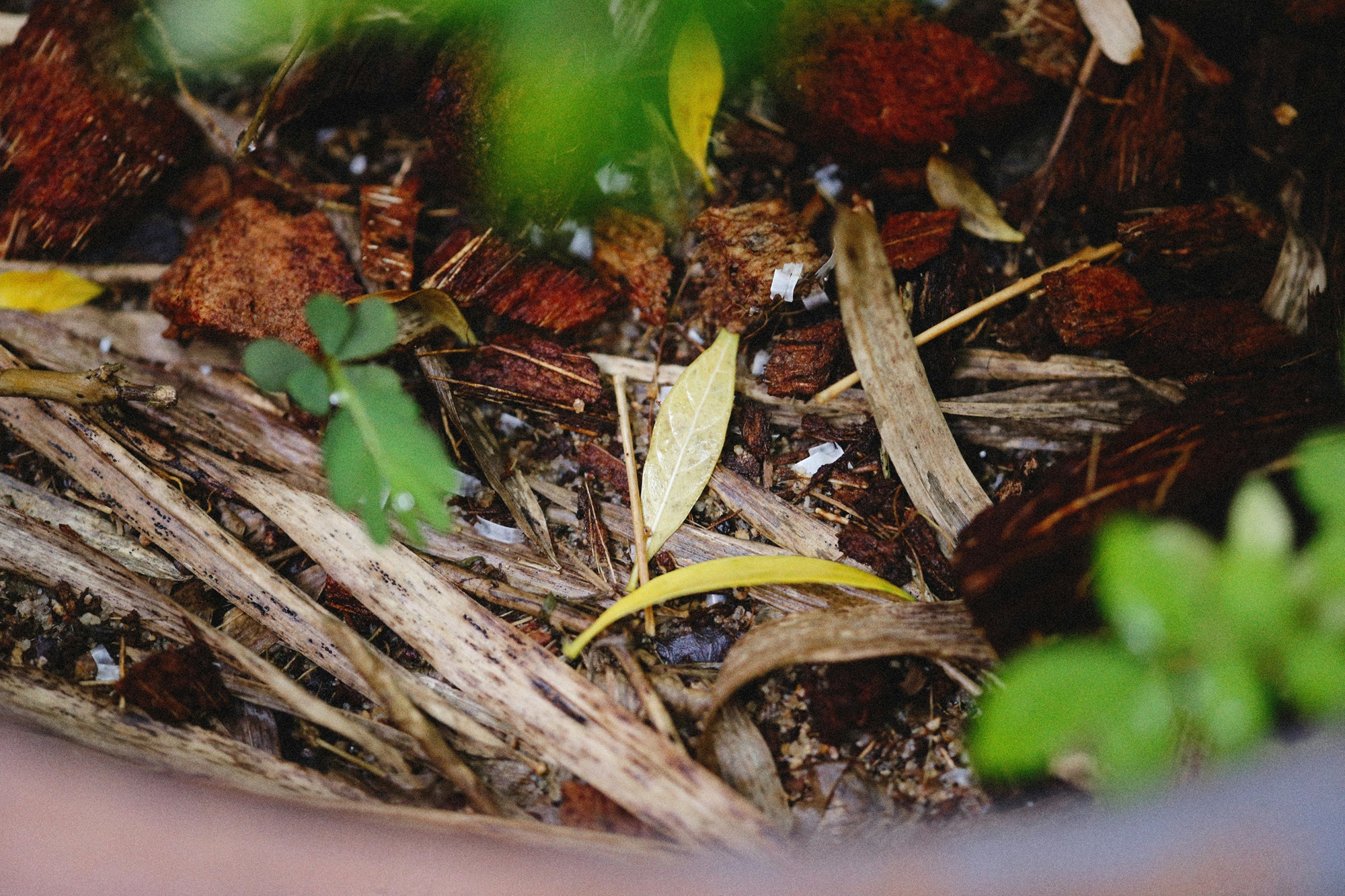
Looking to reduce waste and give your garden a natural boost? Composting at home for beginners is an excellent way to turn kitchen scraps and garden waste into rich, nutritious compost. Not only does it help the environment, but it also saves you money on fertilisers and keeps your garden flourishing. If you’re new to composting, don’t worry – this guide will walk you through the basics in a friendly, straightforward way. Let’s get started!
Why Composting at Home for Beginners Is a Great Idea
Composting is simple, eco-friendly, and highly rewarding. It’s a fantastic way to reduce the amount of rubbish sent to landfill, which in turn cuts down on methane emissions. Plus, homemade compost improves soil structure, retains moisture, and supplies essential nutrients to your plants. Whether you’ve got a small balcony or a large garden, composting at home for beginners is accessible and sustainable.
Getting Started: The Basics You Need
Choose Your Composting Method
For beginners, the easiest options are:
- Traditional compost bin or heap: Ideal if you have outdoor space.
- Tumbler composters: Great for quicker composting and less mess.
- Wormery or worm compost bin: Perfect for smaller spaces and indoor composting.
Pick what suits your space and lifestyle. For most, a simple wooden or plastic bin in the garden does the trick.
Location, Location, Location
Place your compost bin in a well-drained, sunny spot, but avoid direct sunlight in very hot weather. Make sure it’s accessible but not in the way.
What to Compost: The ‘Green’ and ‘Brown’ Stuff
The key to successful composting at home for beginners is balancing ‘greens’ and ‘browns’.
- Greens: Fruit and vegetable scraps, coffee grounds, tea bags (check if they’re biodegradable), fresh grass clippings.
- Browns: Dry leaves, shredded paper, cardboard, straw, wood shavings.
Aim for a ratio of roughly 2 parts browns to 1 part greens. This balance helps the compost break down efficiently and prevents odours.
How to Maintain Your Compost
- Layer your materials: Start with browns, then greens, and alternate. This keeps the compost aerated.
- Keep it moist: The compost should be damp, like a wrung-out sponge. Add water if it’s dry.
- Turn regularly: Mix the compost every few weeks to introduce oxygen, which speeds up decomposition.
- Watch the temperature: Good compost heats up as it breaks down. If it’s not warming, add more greens or turn it more often.
What Not to Compost
Avoid adding meat, dairy, oily foods, diseased plants, or pet waste. These can attract pests and cause odours.
Patience Is Key
Composting takes time – usually a few months – but the wait is worth it. You’ll know your compost is ready when it looks, smells, and feels like rich, dark soil.
Helpful Tips for Beginners
- Start small and expand as you get the hang of it.
- Keep a bin nearby for kitchen scraps to make composting effortless.
- Be patient and consistent: composting is a natural process that benefits from regular attention.
In summary, composting at home for beginners is a simple, rewarding way to reduce waste and nurture your garden. With just a few basic supplies and some patience, you’ll soon be turning your food and garden waste into beautiful compost.